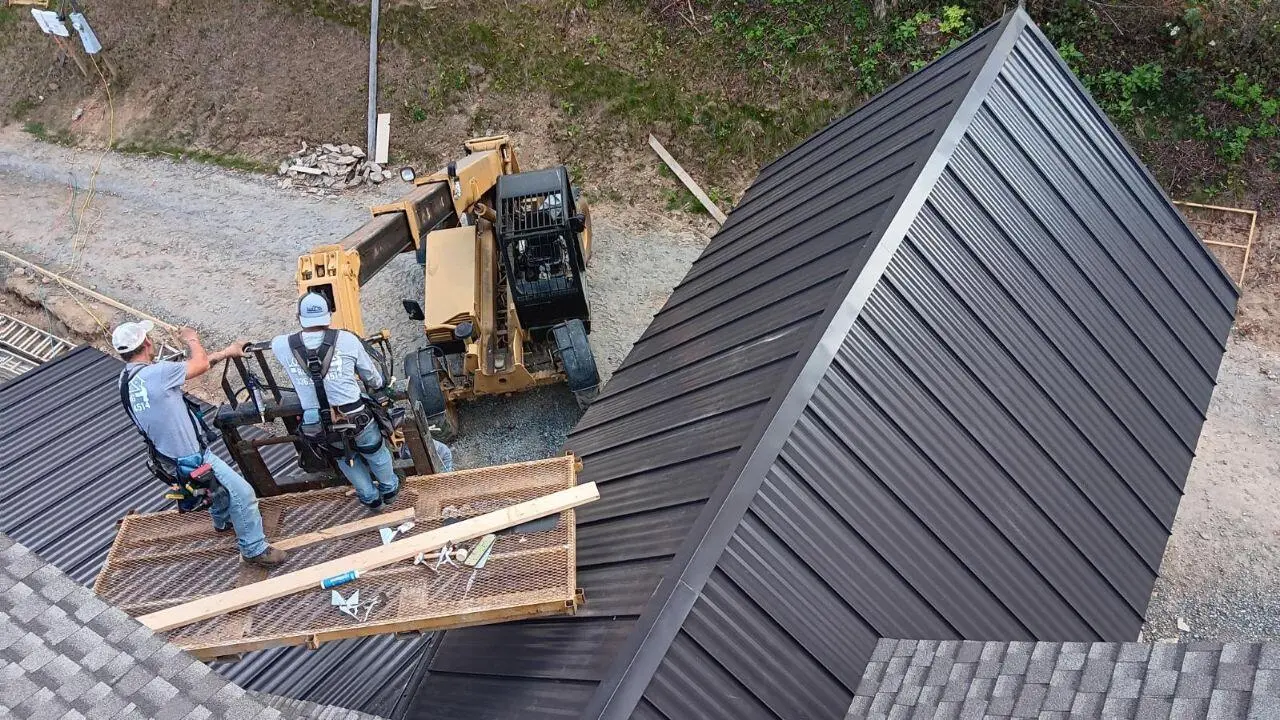
Safety planning starts before anyone steps onto the roof
The crew first considers roof pitch, height, access points, surface condition, landscaping, overhead hazards, nearby structures, and where materials can be delivered and staged. Chimneys, dormers, valleys, skylights, power lines, and multiple roof levels can all change how the work should proceed.
- Identify safe access and controlled work areas.
- Review fall hazards and roof transitions.
- Plan material delivery, staging, and debris removal.
- Consider weather, surface moisture, and changing site conditions.
- Keep homeowners and visitors outside active work zones.
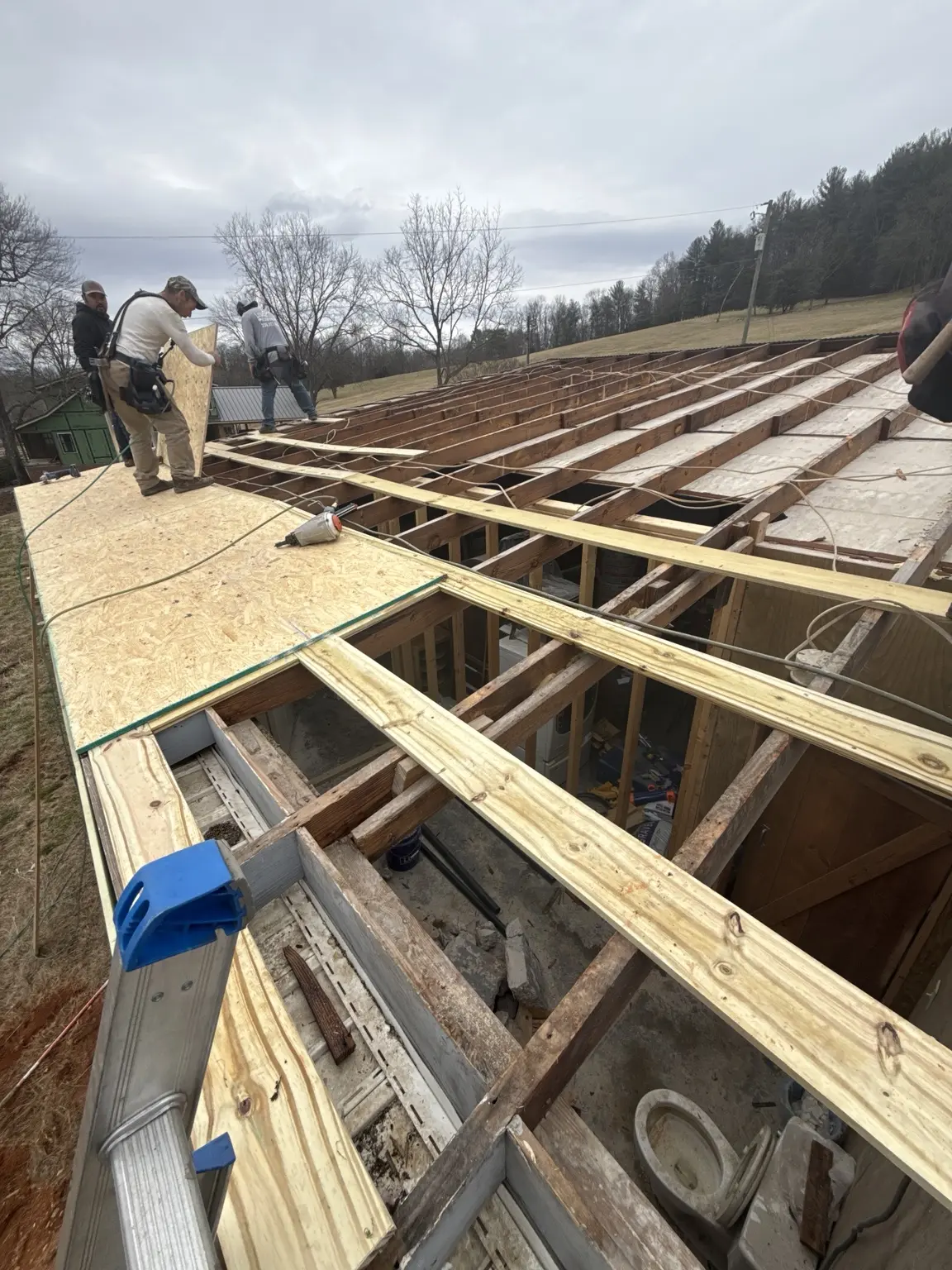
Appropriate fall protection is essential
Steep-slope roofing calls for fall-protection methods suited to the roof and the work being performed. Depending on the project, this may include properly selected anchors, personal fall-arrest equipment, lifelines, rope grabs, warning controls, scaffolding, lifts, roof brackets, or other compliant systems. Equipment must be inspected, fitted, and used as intended.
The safety setup is not identical on every home. Roof shape, structure, pitch, height, access, and task determine the appropriate approach. A safety system only works when the crew understands it and keeps it in use throughout the exposure.
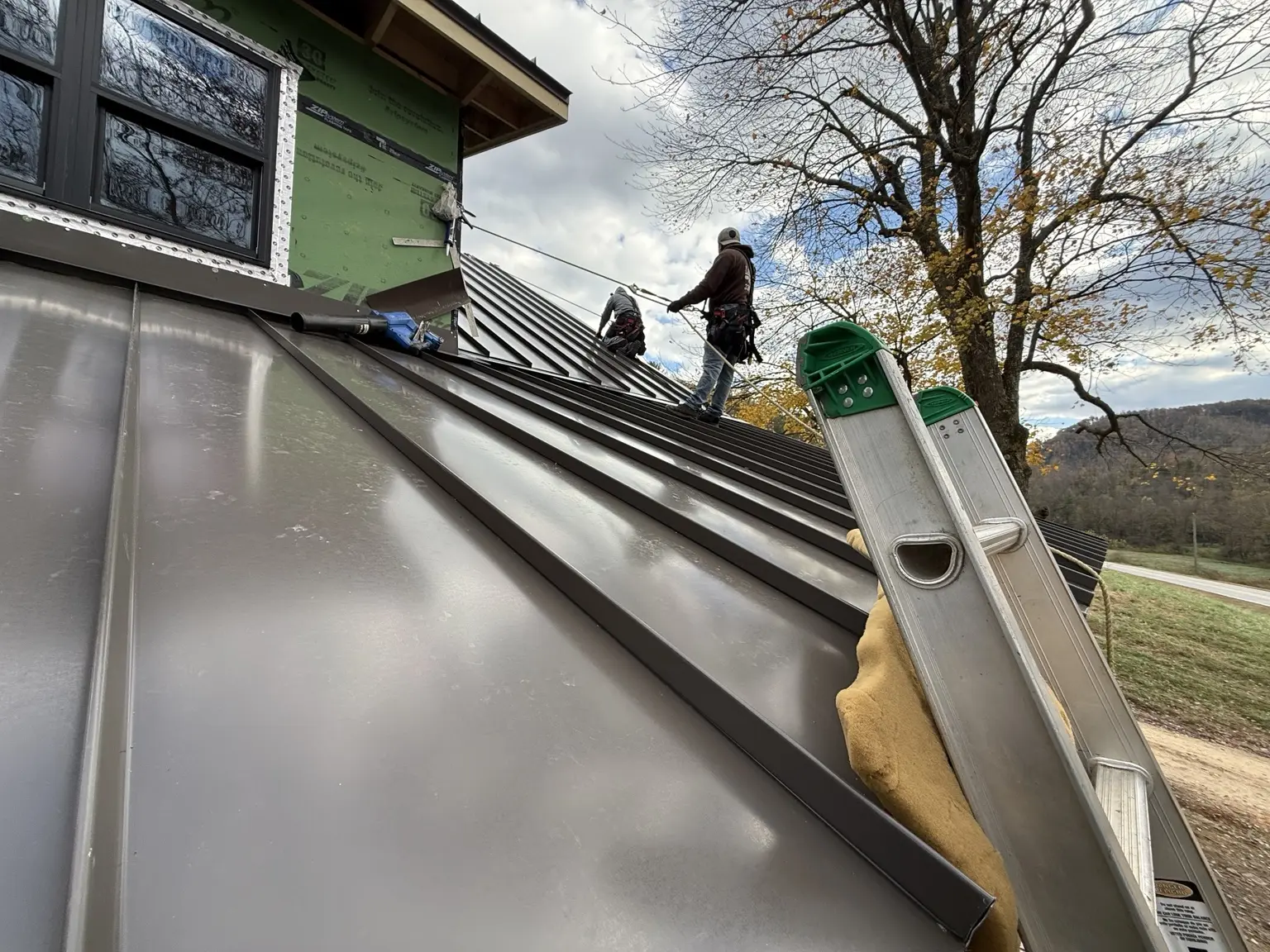
Ladder and roof access must be controlled
A steep roof can make the transition from ladder to roof one of the most critical moments of the job. Ladders should be placed on stable ground, positioned correctly, secured against movement, and kept clear of doors, vehicles, and foot traffic. When the roof or site calls for a lift, scaffold, or another access method, that equipment becomes part of the project plan.
Weather can stop the work
Rain, frost, ice, dew, high winds, and extreme heat can change roof conditions quickly. A surface that appeared workable earlier may become unsafe as weather moves through. Lopez Roofing does not treat the schedule as more important than safe conditions. Work may be delayed, paused, or reorganized when footing, visibility, material handling, or equipment use becomes unsafe.
Tools and materials need their own plan
Shingle bundles, metal panels, underlayment, tools, and removed roofing can slide or become wind hazards on a steep slope. Materials should be staged in controlled quantities, secured where required, and moved using methods appropriate for their size and weight. The crew also manages cords, hoses, loose fasteners, and cut material so they do not create additional trip or falling-object hazards.
Safety includes the property and everyone below
The work zone extends beyond the roof edge. Ground-level areas should be controlled while overhead work is underway, and homeowners, children, pets, delivery drivers, and visitors should stay clear of active zones. The crew plans for debris, tools, and materials while also protecting siding, windows, landscaping, vehicles, and other parts of the property.
- Establish and communicate active work zones.
- Keep entrances and driveways controlled when overhead work is occurring.
- Use appropriate debris and material-handling procedures.
- Perform cleanup and a final ground check as work progresses and when the job is complete.
Why steep-roof work should be left to roofing professionals
Steep roofs are not appropriate for homeowner inspection or do-it-yourself repair. Even a small amount of moisture, loose granules, metal dust, or an unexpected movement can lead to a serious fall. If you have a concern on a steep roof, stay on the ground and contact a qualified roofing professional. Lopez Roofing can evaluate the visible condition and develop a safe project approach for the home.
Roofing needs vary by home, roof design, existing condition, product, and local requirements. An on-site evaluation is the best way to develop an appropriate project scope.