Appearance and design
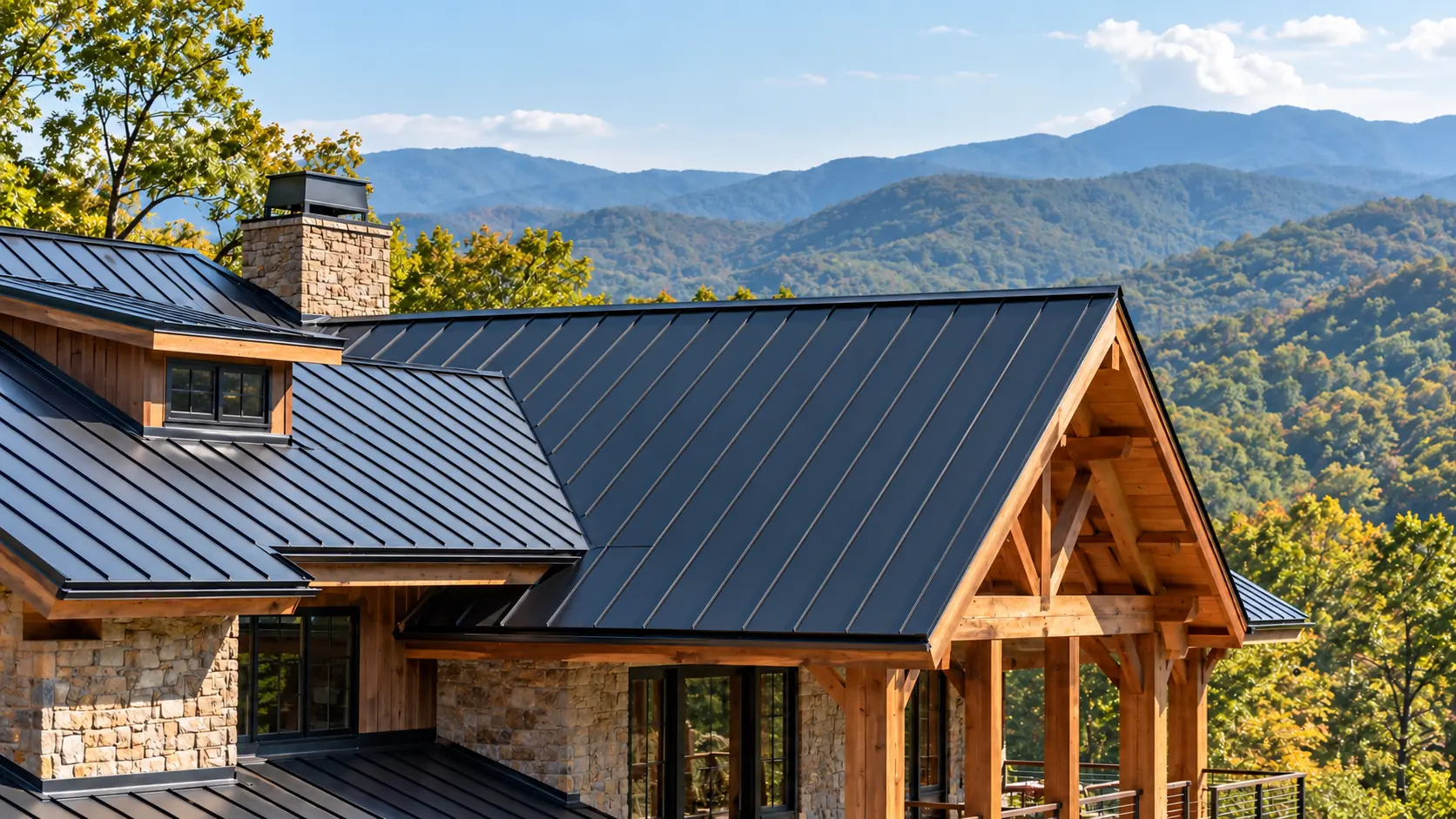
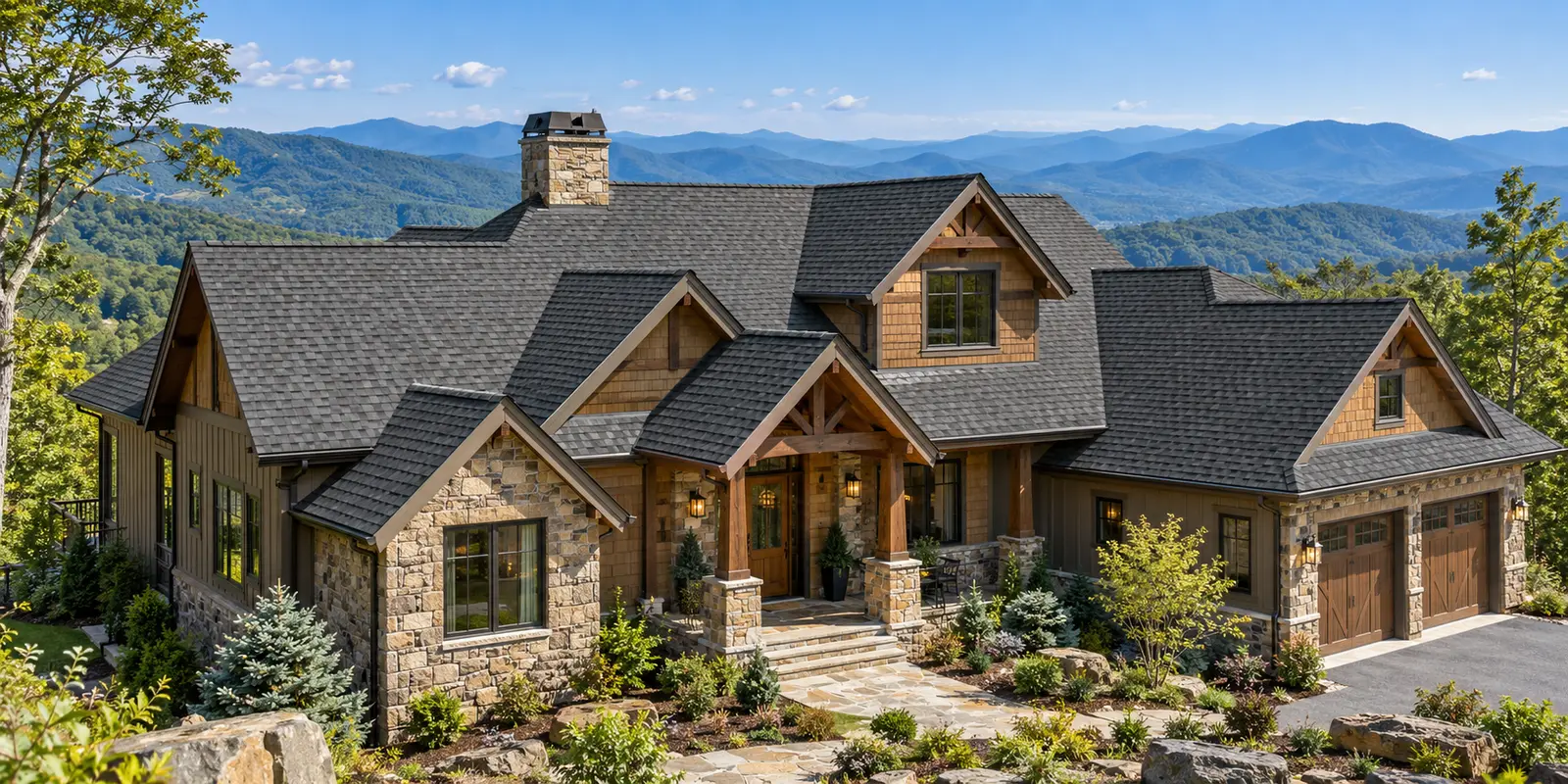
Architectural shingles create a layered, textured look that works with many traditional and modern homes. Standing seam metal creates long, clean vertical lines and a more defined profile. Both come in a wide range of colors, but their visual character is noticeably different.
How each system is fastened
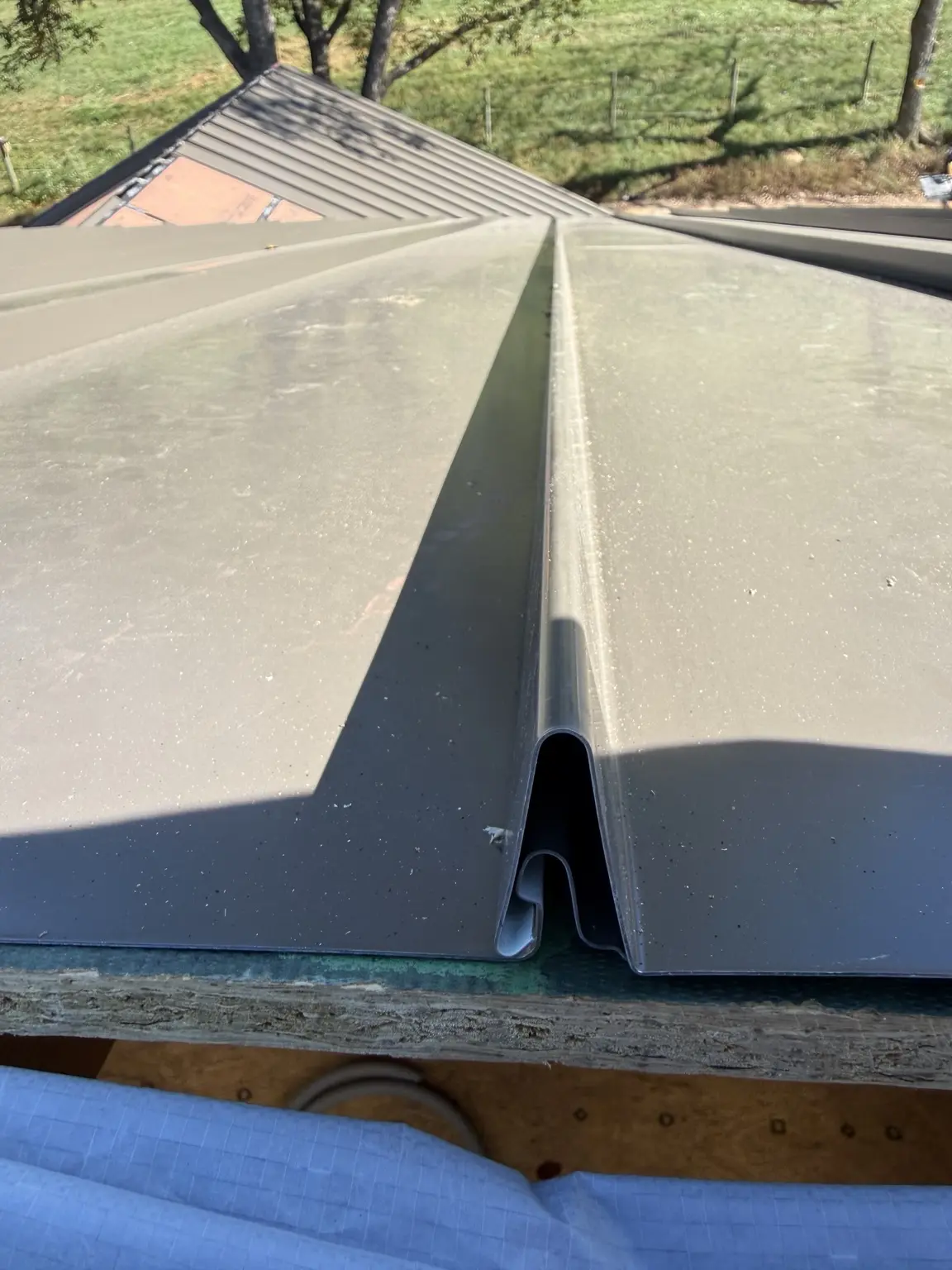
Shingles are installed in overlapping courses with fasteners concealed by the next course. Standing seam panels are secured with concealed clips or fastening details beneath raised seams. This leaves the primary metal surface free of exposed field fasteners and allows the system to manage normal expansion and contraction.
Upfront investment and long-term priorities
Architectural shingles usually have a lower initial project cost. Standing seam metal generally requires a larger upfront investment because of the metal, fabrication, trim details, and specialized installation. Homeowners often choose standing seam for its premium appearance, concealed-fastener design, and long-range value.
Maintenance and roof complexity
Every roof should be checked after severe weather and kept clear of conditions that hold moisture or damage the surface. Roofs with multiple valleys, walls, chimneys, dormers, or penetrations require careful detailing regardless of material. The quality of those transitions matters as much as the field material.
The Lopez Roofing options
Lopez Roofing installs architectural shingles and 26-gauge standing seam metal. Our standing seam systems use concealed fastening and are available with manufacturer warranties ranging from 20 to 40 years, depending on the selected product and finish. We can compare samples, discuss the home’s roof design, and prepare a clear proposal for the system that fits the project.
Roofing needs vary by home, roof design, existing condition, product, and local requirements. An on-site evaluation is the best way to develop an appropriate project scope.