What is a 3-tab shingle?
A 3-tab shingle has a flatter, uniform pattern created by three tabs along the exposed portion of each piece. The repeated shape gives the finished roof a consistent appearance. It has historically been used when a basic asphalt roof and lower initial material cost are the main priorities.
What is an architectural shingle?
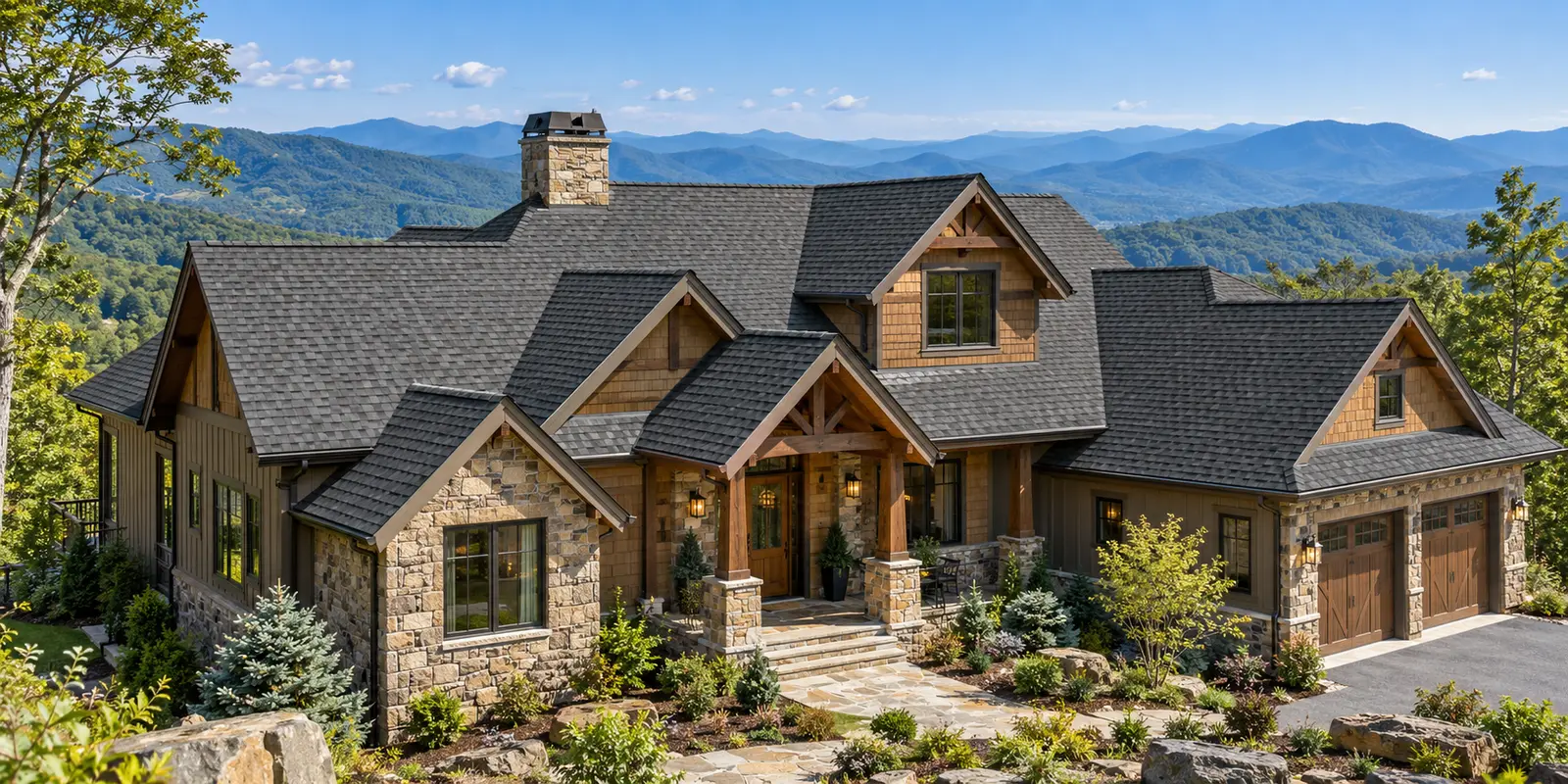
Architectural shingles—also called dimensional or laminate shingles—combine layers to create depth, shadow lines, and a less repetitive appearance. They are commonly selected for residential replacements and new homes because they pair stronger visual character with a more substantial construction.
Key differences to consider
- Appearance: 3-tab is flat and uniform; architectural shingles are dimensional and varied.
- Weight and construction: architectural shingles are generally heavier and layered.
- Color and profile: architectural collections typically offer broader combinations and more visual depth.
- Project value: 3-tab may lower initial material cost, while architectural shingles are often chosen for upgraded appearance and longer-term value.
Installation still determines performance
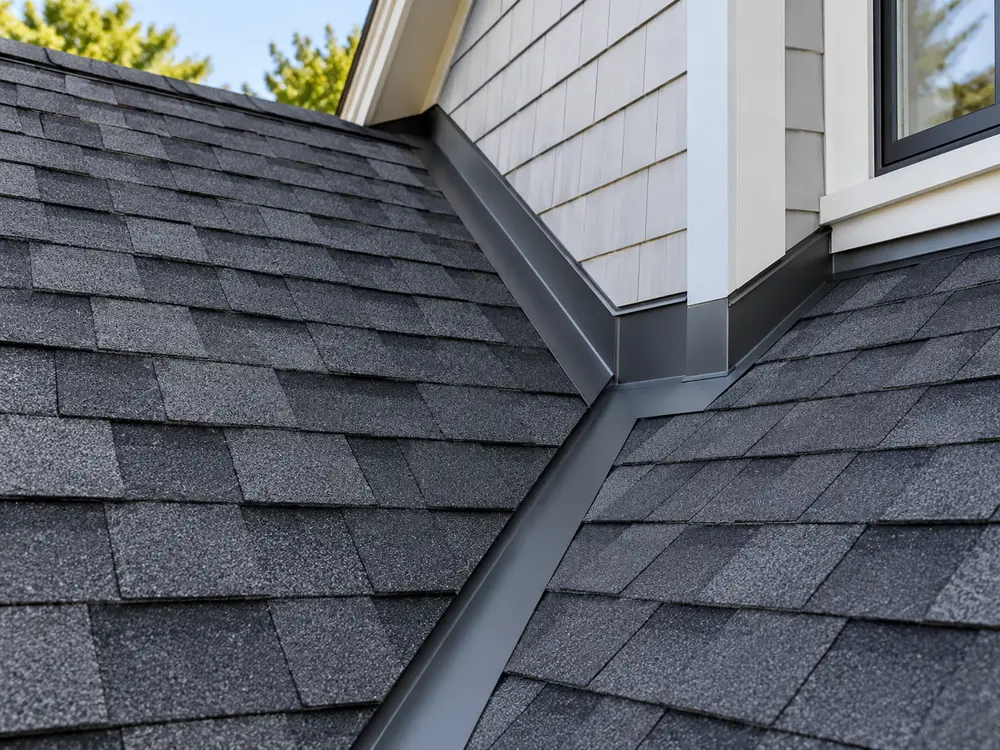
Material selection alone does not make a complete roof. Deck condition, underlayment, starter material, fastening placement, flashing, valleys, ventilation, and ridge details all contribute to performance. Manufacturer instructions and applicable code requirements should guide the installation.
Which does Lopez Roofing recommend?
For most residential shingle projects, Lopez Roofing offers architectural shingles because they provide the dimensional appearance and broad color selection many homeowners want. We can evaluate the existing roof, review samples, and explain the full roofing scope before work begins.
Roofing needs vary by home, roof design, existing condition, product, and local requirements. An on-site evaluation is the best way to develop an appropriate project scope.